

For more specific examples, check out our guides on t accounts accrued expense journal entry, deferred revenue journal entry, and depreciation entry in journal. Getting the hang of debits and credits is key to using T accounts like a pro. For more examples, check out our accounting T accounts examples. T-accounts are built directly from the data in your general ledger. Each time a journal entry is posted, the corresponding T-accounts are automatically updated behind the scenes.
T-Account Debits and Credits
It basically means you have a cash liability instead of asset, which is not good. Then, the two involved accounts are your cash account and your revenue account. I’m going to go through a really easy example to show double-entry accounting using T accounts in action. Let’s say you just sold a one-year premium subscription for $20,000 and your client paid in cash. The double-entry system helps prevent errors, while the T accounts can be logically ordered to make it easy to find specific transactions quickly.
How to Show Total on Stacked Bar Chart in Excel

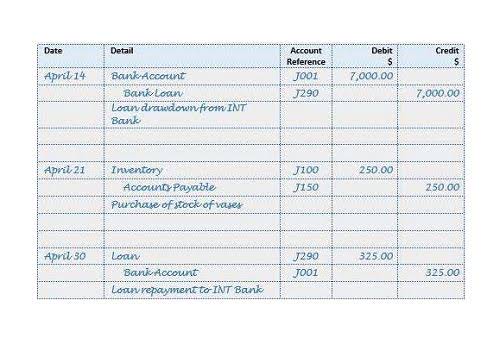
The nature of each transaction can also be quickly determined. As previously mentioned, an account is the summary record of all transactions relating to https://zagurt.cl/what-is-a-cash-conversion-cycle-how-to-shorten/ a particular item in a business. Take a look at each of the journal entries above and compare them to each of the entries in the T account. The credit was to loan, so this is used to describe what has happened to our bank account above. The next transaction relating to the bank account was on the 7th of April. Now, there can be a number of different ledgers, each one dealing with a specific aspect of the business and listing T-accounts only in that category.
Which are the three components of T accounts?
- Using these tools reduces errors while maintaining books of accounts.
- Credit balances are common in income, liability, and owner’s capital accounting.
- Debits are recorded on the left side of the T, and credits on the right.
- Gone are the days of meticulously drawing T accounts on paper.
- But eliminating maverick spend means finding ways to gain clarity on your company’s balance sheet.
- So, the next time you encounter a T-account, remember, it’s not just a fancy T.
Take control of your procurement and T-account for accounts payable with Precoro—a powerful platform designed to centralize, simplify, and accelerate your financial workflows. Prevent manual errors, reduce approval delays, and gain full visibility into your spending across all business units. In essence, journal entries document the what and when, while T-accounts help visualize the how within each account. This entry ensures the accounting T-account equation remains balanced by recording the cash collection and reducing the receivable. Service revenue earned but uncollected (On credit)On May 10th, Company XYZ invoices a client for $300 worth of service, with payment due within 20 days. This increases Accounts Receivable and Repair Service Revenue.

Each entry goes to it on the right side payroll and with the right amount, helping keep your financial records spot-on. They give you a clear, organized way to record and review transactions, making it easier to manage your company’s finances. Your beginning and ending balances will shift depending on the time frame you’re reviewing. In most accounting systems, T-accounts are generated automatically based on the journal entries recorded in the system. Now that you have your framework, you can begin to record the purchase.
It might seem strange that debits decrease revenue, but this follows the seesaw principle. When you earn revenue (debiting cash), you’re also using up your ability to earn that income again. Credits increase revenue because you’re recording income on account (crediting accounts receivable), which hasn’t been collected as cash yet but still represents income earned. T Accounts are used in double entry bookkeeping as a visual representation of accounting journal entries. Debits are recorded on the left and credits are recorded on the right. T-Accounts are a graphical representation of individual accounts on a company’s ledger.

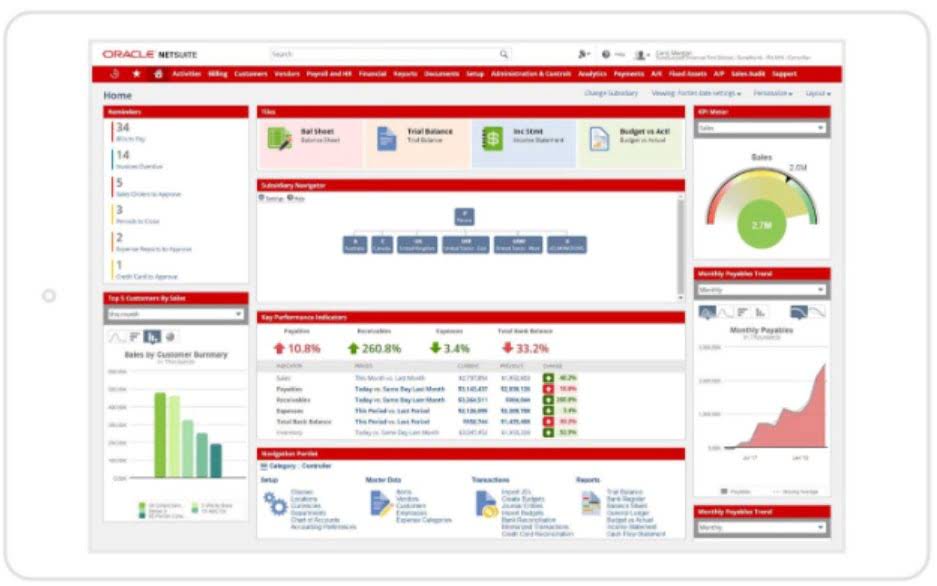
That’s why most businesses prefer automating their finances with cloud accounting software, instead. Because T accounts are posted into the General Ledger of a business, they’re also commonly recognized as ledger accounts. Liabilities often have the word “payable” in the account title.