
As a positive, unalarming emotion and one that others are used to seeing, however, happiness isn’t on the radar as much as anger. By Buddy TBuddy T is a writer and founding member of the Online Al-Anon Outreach Committee with decades of experience writing about alcoholism. Because he is a member of a support group that stresses the importance of anonymity at the public level, he does not use his photograph or his real name on this website.
Cognitive Behavioral Therapy
At Boardwalk Recovery Center, we recognize the unique and complex nature of alcohol addiction and its effects on behavior, including aggression and impulsivity. Our alcohol abuse treatment programs are designed to address these challenges with a personalized approach that considers each individual’s unique responses to alcohol. If alcohol is impacting your life or the lives of your loved ones in harmful ways, we’re here to help. Contact us today to start your journey toward a healthier, more balanced life free from the destructive influence of alcohol. Many people experience increased anger and irritability when consuming alcohol. This can be due to several factors, including alcohol’s effects on the brain, underlying mental health conditions, and unresolved personal issues.
Treatment for Alcohol Addiction
- If you have a natural tendency to be angry, drinking alcohol may cause you to become aggressive.
- This behavior is very confusing for the people who love the alcoholic the most as they hurt in often cruel ways.
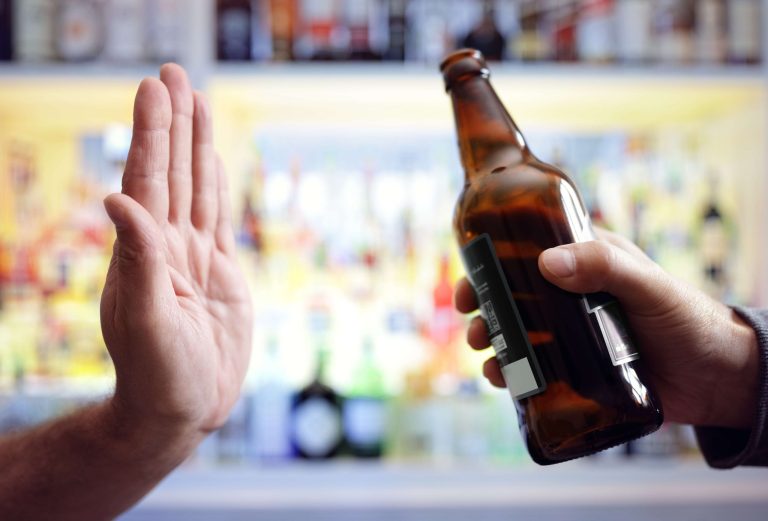
- Taking the first step toward change can be tough, but you’re not alone.
- And living with such an angry person is making it hard for me to be happy, too.
Plus, we’re always introducing new features to drug addiction treatment optimize your in-app experience. We recently launched our in-app chatbot, Melody, powered by the world’s most powerful AI technology. Melody is here to help as you adjust to a life with less (or no) alcohol.
What behaviors commonly signal alcoholism?
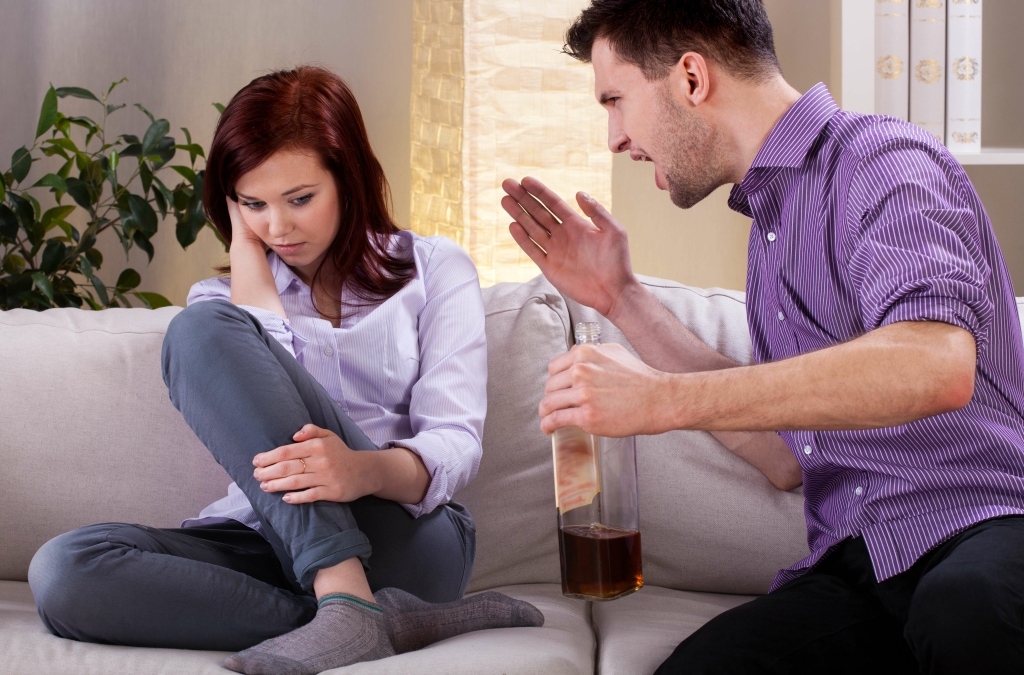
When you live with or care for someone who becomes abusive when they’re intoxicated, the consequences may well be more than just hurt feelings. So next time you observe someone drinking heavily at a gathering or bar scene try applying this guide. Remember though that everyone reacts differently to alcohol why are alcoholics angry so these should serve only as general pointers rather than definitive conclusions.
How to find support for anger and alcohol misuse
Seeking professional help from a therapist can also be beneficial. If we hang out with people who throw digs at each other (or at us) or normalize alcohol-induced aggression, it’s more likely to make an appearance. If you follow true crime, you’ve heard about the notorious Murdaugh trials in South Carolina, with the latest being the trial of Alec Murdaugh convicted for killing his son and wife. And although nothing justifies murder, the son Paul Murdaugh was quite a character (and not in a good way).
Alcoholism’s Impact on Relationships
Setting boundaries means putting rules in place for your mental health and physical well-being. While continuing to love your partner, let them know that you may need to step away if they break a boundary. At times, those struggling with it may blame others for their drinking when they are stressed, https://anngez.com/find-sober-houses-in-boston-massachusetts-2/ pressured, or worried. However, your partner may drink even if you have nothing to do with their urge. Addiction is considered a mental health condition because it alters how the brain functions.
- Consider cutting back or abstaining from alcohol, identifying triggers that make you angry, and practicing stress management techniques like meditation.
- On the professional side, therapy—whether individual or online—can help you process your fears and frustrations.
- I’ve spent time researching and observing, trying to understand why some people turn into angry drunks while others become happy ones.
It is a physical disorder, a mental illness, and a social problem. People suffering from this disorder are unable to control their drinking, even when it causes serious problems in their lives. There are multiple reasons why you may experience increased feelings of anger after quitting alcohol – let’s explore three of the most common. With some insight into factors that can cause rage or aggression while drinking, you can take steps to avoid certain behaviors. They found that people with HTR2B Q20 tended to be more impulsive and aggressive under the influence of alcohol.
Triggers for Alcohol-Related Anger and Aggression
In a study published in Science Daily, researchers found that people who are shortsighted are less likely to think about the consequences of their actions. Therefore, people who tend to live in the now are more likely to make snap decisions when they’re intoxicated. And, statistics show that angry drunks are more prone to end up in trouble with the law.
Social and Environmental Factors
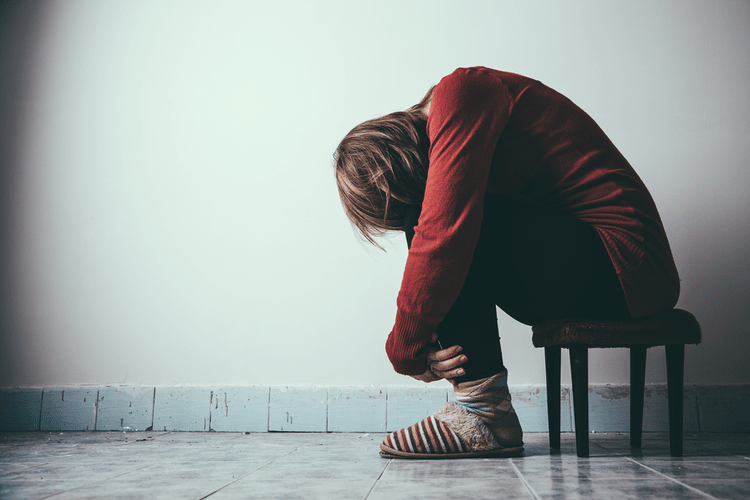
A depressed mood or anxiety are common after the effects of alcohol have worn off. Drinking can lead to risky behavior such as physical altercations, as well. At times, self-care may get thrown out the window in relationships involving addiction. A sober person may rely on support from friends or family if they feel down, hurt, or stressed to help them feel better. However, someone who experiences alcoholism may not have developed this tool kit to seek help when needed and might instead turn to alcohol. The behavior of an alcoholic can be frustrating, but it helps to remember that alcoholism is a legitimate medical condition called alcohol use disorder5.